Biosoundscape is an artificial intelligence-based solution that monitors urban biodiversity in real time through the city’s soundscape.
The project is being developed within the Valencia Urban Sandbox with the participation of the Municipal Agency for Parks, Gardens and Urban Biodiversity.
The Valencia City Council, through its València Innovation Capital strategy, has launched Biosoundscape, an innovative technological solution that analyses urban biodiversity through the city’s soundscape. The project is being developed within the framework of the Valencia Urban Sandbox, a pioneering initiative that transforms the city into a real-world testing environment for solutions with a direct impact on urban life and the natural environment.
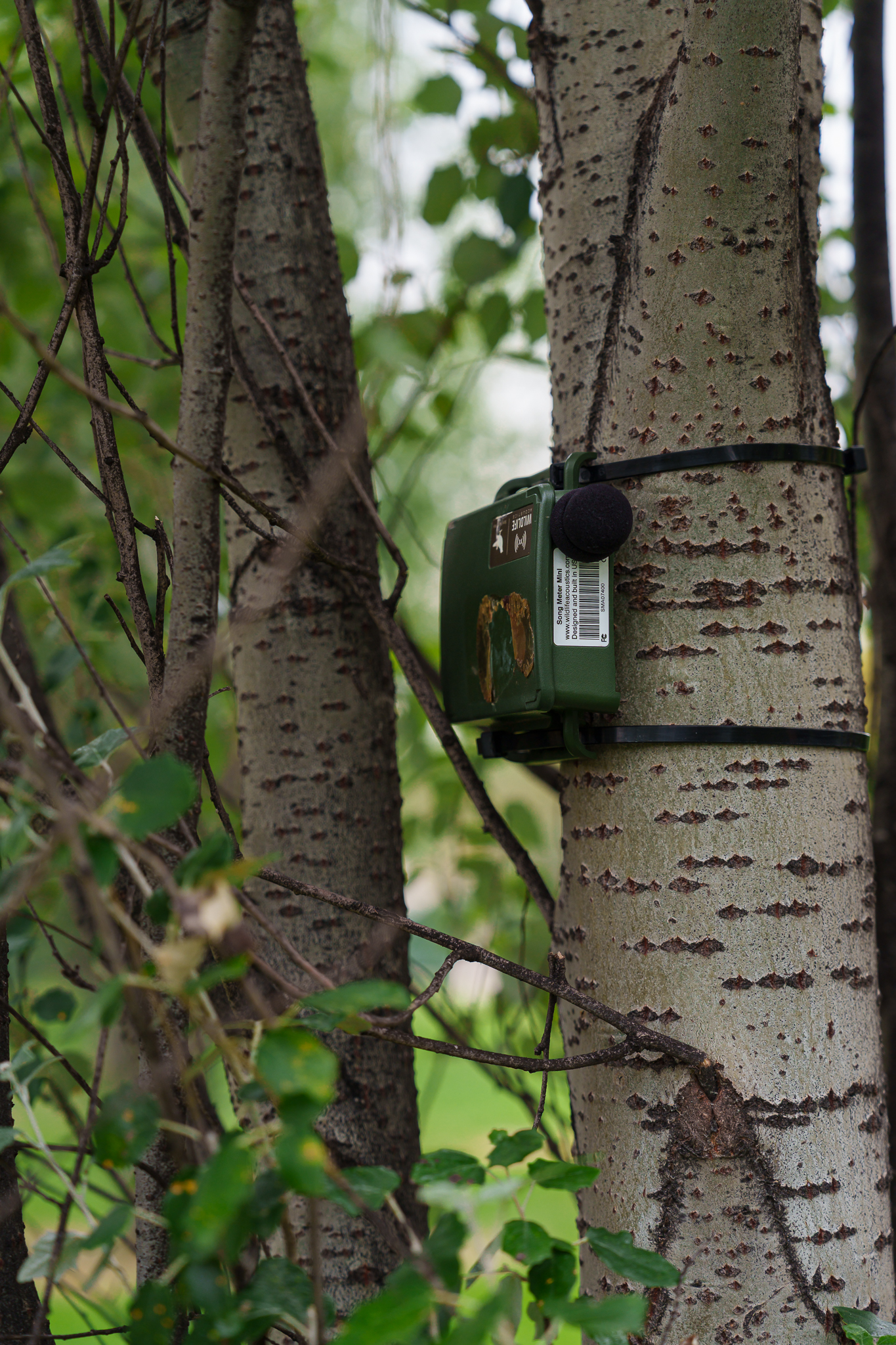
Biosoundscape uses acoustic sensors installed in green spaces to record the sounds of local wildlife, including birds, insects and small mammals. Using artificial intelligence, the system identifies species and behavioural patterns, making it possible to assess the ecological quality of each location. This non-invasive technology generates real-time data and provides new opportunities to improve urban planning, detect environmental imbalances and design ecological restoration strategies based on objective evidence.
Paula Llobet, Councillor for Innovation, said: “The Urban Sandbox allows us to drive innovation from the local level. With Biosoundscape, we are demonstrating that technology can help us better protect our natural resources and make more informed and sustainable decisions. It is a project that brings together artificial intelligence, environmental management and citizen participation, and clearly reflects the direction we want to take as a city.”
Biosoundscape is one of the first projects authorised under the Valencia Urban Sandbox, the framework that enables companies, research centres and public administrations to test innovative solutions under real-life conditions. Through this flexible environment, the City Council supports faster and more collaborative validation of proposals that can improve sustainability, air quality, mobility and, in this case, the ecological health of urban spaces.
The project is being implemented in close collaboration with the Municipal Agency for Parks, Gardens and Urban Biodiversity, which is responsible for selecting the most suitable locations and ensuring that the scientific objectives of the system are aligned with the city’s green management policies.
Using the sound recordings collected by the sensors, the presence of different species will be detected through an artificial intelligence model developed by the iTEAM Institute and the CVBLab-HTECH research group, both part of the Universitat Politècnica de València (UPV). Each species will be identified according to its location and time of detection, making it possible to generate a range of biodiversity indicators for the Turia Garden and L’Albufera. Over the long term, these insights will support improved management of these natural areas, including conservation practices that encourage the presence of species of ecological interest.
In its initial phase, the system has already begun generating dynamic sound biodiversity maps, revealing differences between green spaces and time periods while identifying areas with significant potential for environmental improvement. These data will help guide municipal interventions, evaluate the impact of green policies and raise public awareness of the importance of urban nature. The results are also expected to be made available through open platforms, encouraging citizen science initiatives and the use of biodiversity data in educational and community projects.
Among its key features is the development of a web application offering an immersive experience, allowing residents and visitors to listen to the soundscape of the Turia Garden in real time, discover the bird species detected and access seasonal nature routes tailored to different times of the year.
With Biosoundscape, Valencia is advancing towards a more sophisticated approach to ecological management, integrating technology, environmental protection and urban governance into a single vision. The project further strengthens the city’s position as a leading European reference in applying innovation to improve sustainability and quality of life.