URBAN-FLOW

The European project URBAN-FLOW aims to transform public spaces in the districts of La Torre, Horno de Alcedo, and Castellar-Oliveral, which were affected by the DANA flooding event, into resilient and climate-adapted environments.

Web

COORDINATOR

THE LISBON COUNCIL FOR ECONOMIC COMPETITIVENESS

COUNTRIES

United Kingdom, Finland, Belgium, Italy, France, Greece, Switzerland, the Netherlands,  the Czech Republic, and Spain

BUDGET

Total: 17.164.557,88 €
VIC: 1.012.000 €

HORIZON EUROPE PROGRAMME

LOGOS

Description

URBAN-FLOW seeks to address these challenges through a combination of advanced digital solutions, social innovation, and transformative urban policies, with a strong focus on replication and scaling across other European cities.

The project will deploy a range of leading solutions in urban regeneration, climate-neutral mobility, sustainable energy, and water management. The pilot activities will be validated in the DANA-affected areas of Valencia, as well as in Tampere (Finland) and Florence (Italy), while four additional European cities — Brussels, Gdańsk, Pilsen, and Edinburgh — will act as follower cities.

URBAN-FLOW is a European initiative aligned with the Horizon Europe Climate-Neutral and Smart Cities Mission. Its main objective is to accelerate the transition towards climate neutrality and urban resilience through integrated, dynamic, and data-driven management of public space, mobility, and energy in complex urban environments.

The project is based on the recognition that cities face multiple simultaneous challenges, including extreme climate events, pressure on urban space, territorial inequalities, and the need for decarbonisation, all of which require new approaches to urban planning and governance.
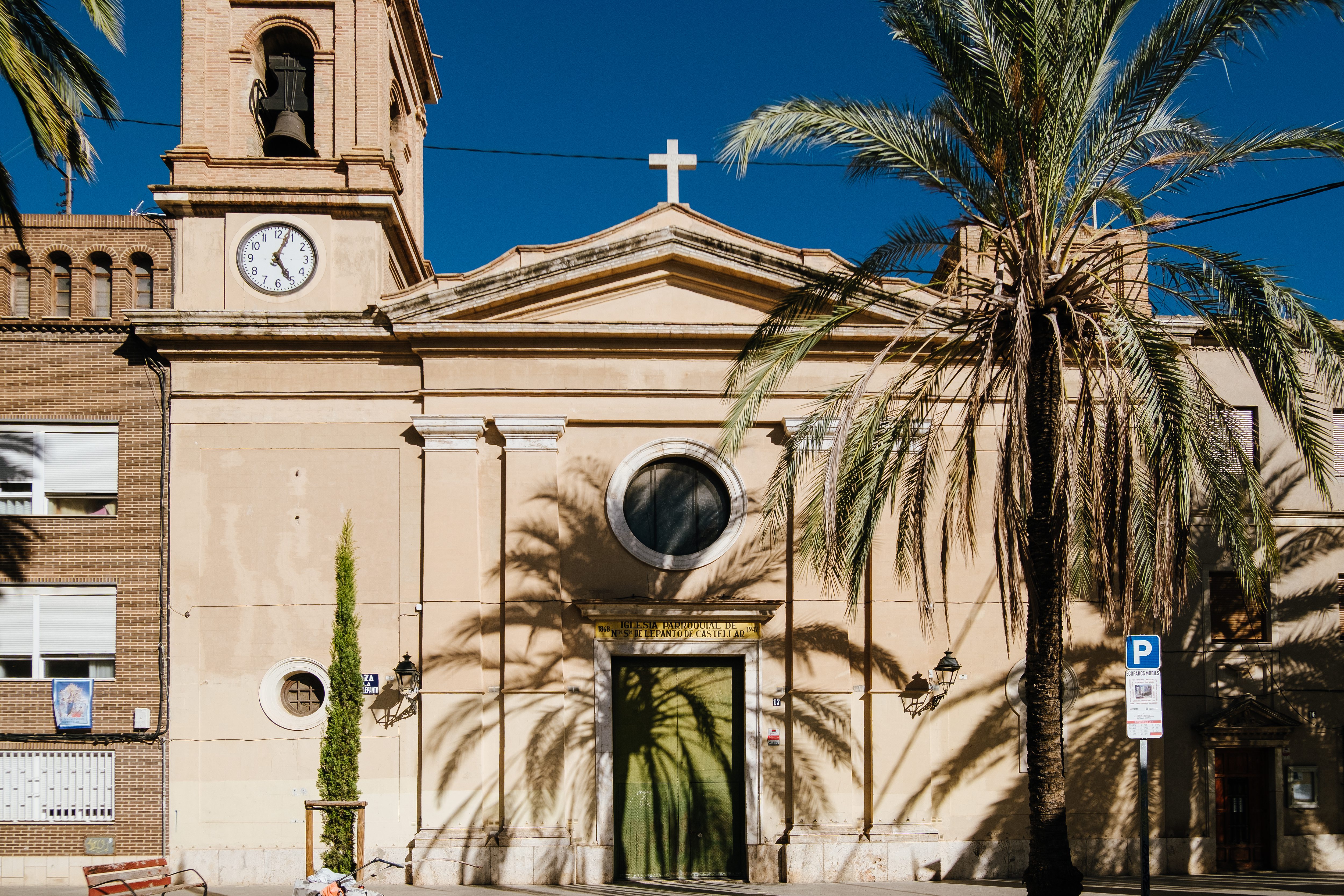
Pilots in Valencia

The project is driven by the impact of recent flooding events, which severely affected infrastructure, mobility, public spaces, and the socio-economic fabric of the city, particularly in the southern districts of La Torre, Horno de Alcedo, and Castellar-Oliveral.

Valencia’s strategy goes beyond reconstruction, using the crisis as an opportunity to transform the urban model and strengthen resilience to climate change.

The project is supported by significant public investment, combining municipal and national funding, and includes a portfolio of demonstration actions integrating sustainable mobility, dynamic urban space management, energy systems, and climate adaptation. These actions include:

  • Advanced accessibility analysis and urban planning tools aligned with the 15-minute city concept.
  • Dynamic public space management systems (geo-search tools, flexible road and parking use, curbside management) adapted to extreme weather events.
  • Urban energy solutions, including collective self-consumption schemes, transport infrastructure electrification, planning of decarbonised heating and cooling networks, and AI-supported energy advisory services.
  • Implementation and monitoring of Sustainable Urban Drainage Systems (SUDS) based on nature-based solutions, with medium- and long-term performance assessment.
  • Use of digital twins, metaverse technologies, and gamification to engage citizens, students, and professionals in the co-design of public spaces and mobility systems.
  • Participation initiatives, environmental education programmes, and carbon footprint compensation actions, particularly focused on neighbourhoods affected by flooding.

Overall, the Valencia demonstration site aims to become a replicable model for sustainable urban reconstruction, combining technological innovation, integrated planning, citizen participation, and climate action, with strong potential for transfer and scaling across Europe.

CURRENT NEWS

View all
No news related to this project has been found.