BIOSOUNDSCAPE
Monitoring urban biodiversity through artificial intelligence
BIOSOUNDSCAPE
The City Council of Valencia and the Institute of Telecommunications and Multimedia Applications (iTEAM) at the Universitat Politècnica de València (UPV) have developed València-BioSoundScape, an innovative initiative that combines artificial intelligence, acoustic monitoring and IoT technologies to analyse urban biodiversity through the city’s soundscape.
The project has monitored bird activity across several natural areas of València and developed a pilot system capable of detecting bird species in real time.
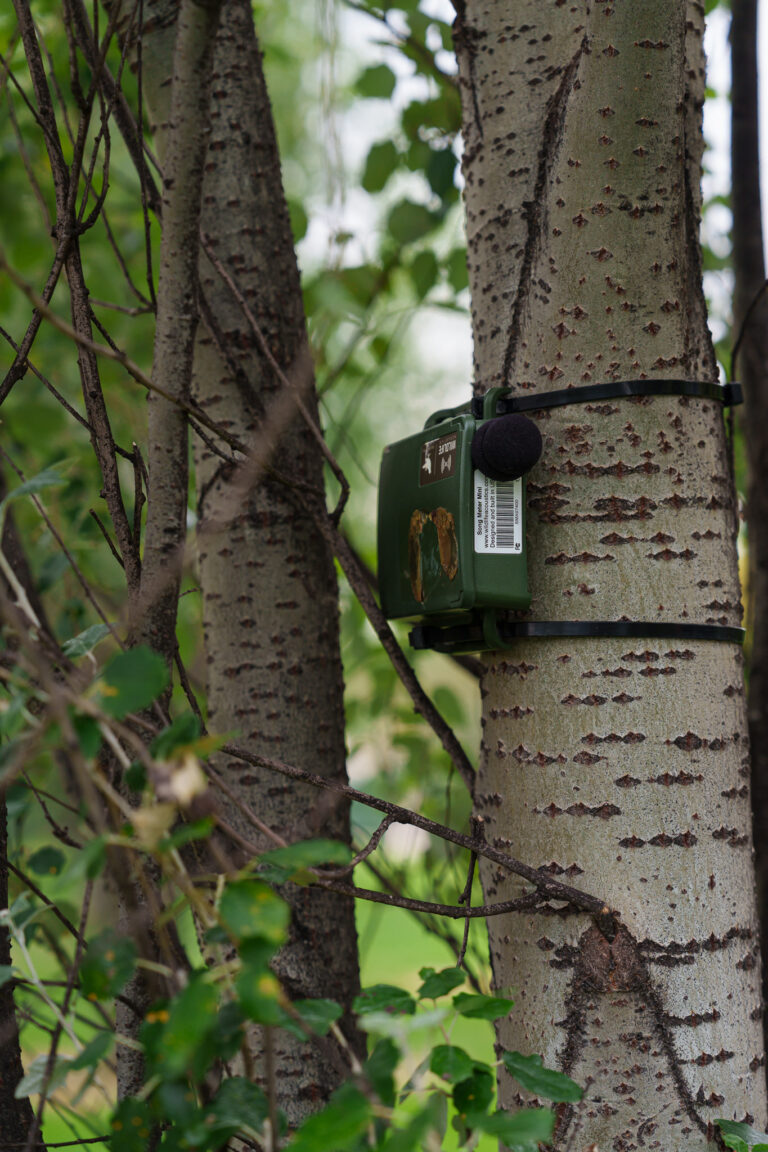
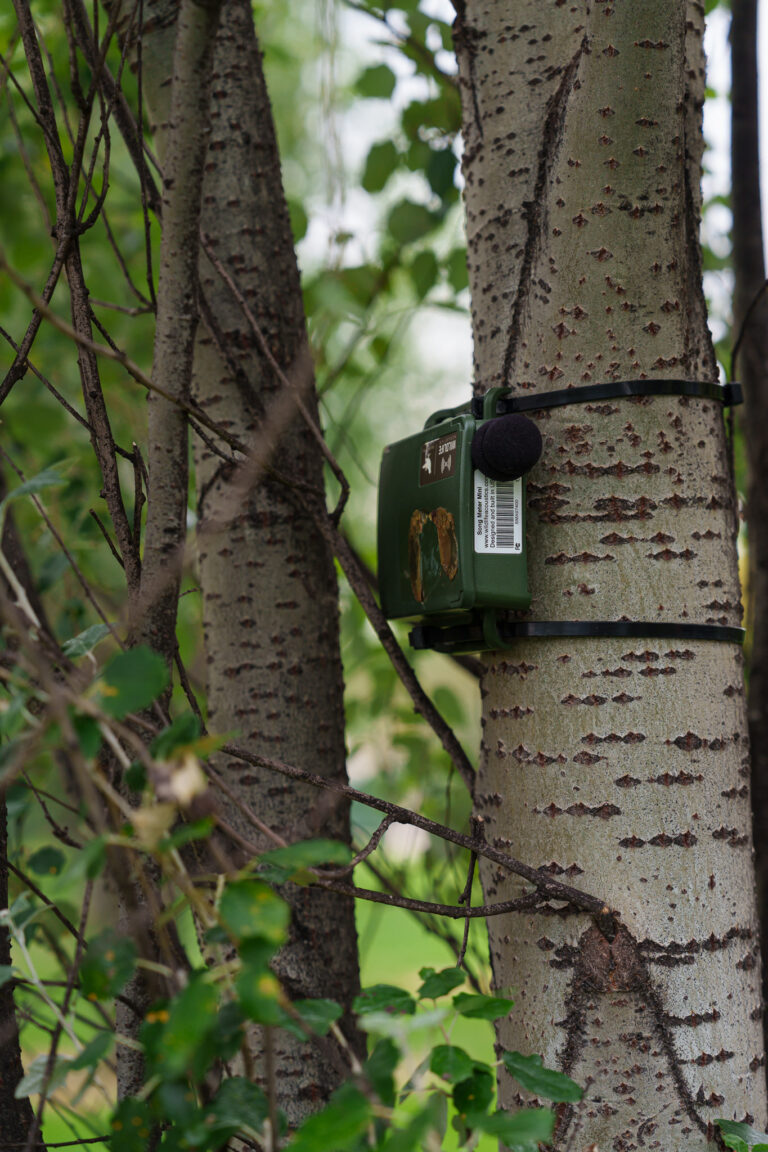
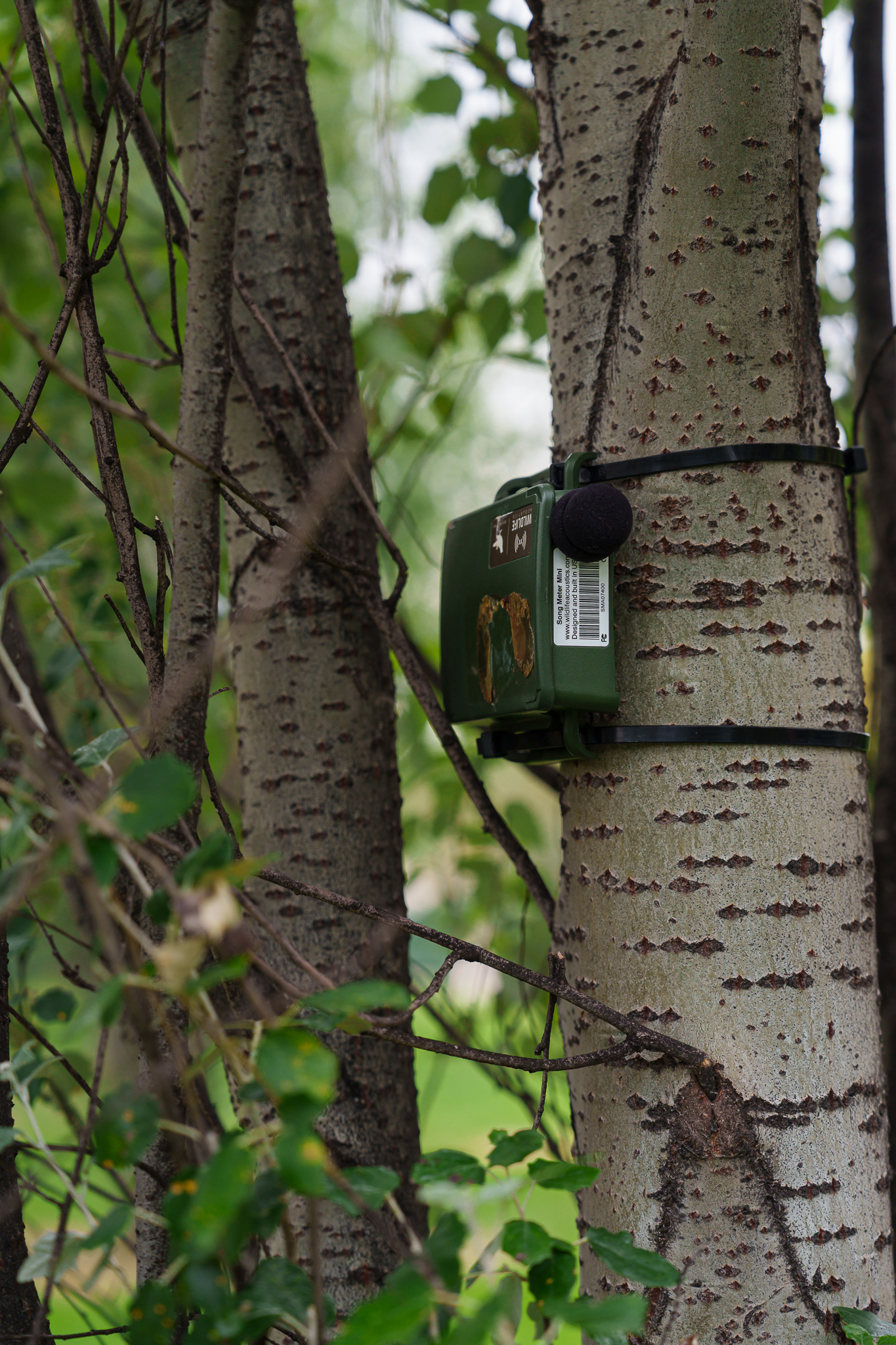
Valencia-BioSoundScape has collected valuable acoustic data on the city’s biodiversity by installing passive acoustic monitoring devices at eight strategic locations: five within the Turia Garden and three in the Devesa of l’Albufera. The devices recorded the soundscape during the periods of greatest bird activity—at dawn and dusk—creating a unique database of urban acoustic biodiversity.
In addition to this sensor network, the project has developed a real-time acoustic monitoring pilot system in collaboration with the University of Seville. Based on IoT technology, the system integrates a microphone, a mini-computer running artificial intelligence software, an autonomous battery and mobile connectivity. Its scalable and replicable design will enable the technology to be deployed in additional parks and natural spaces beyond the city of València.
Using the audio recordings captured by the monitoring devices, the system detects bird species through BirdNET, the bird classification tool developed by Cornell University. At the same time, researchers from iTEAM and the Computer Vision and Behaviour Analysis Lab (CVBLab) at UPV are developing new artificial intelligence models to improve the detection of the bird species most commonly found in the city.
Project results and online routes
Valencia-BioSoundScape has produced acoustic biodiversity indicators that make it possible to monitor changes in biological activity across different urban and natural environments in the city. The results are available through the project’s online platform, BioSoundScape, developed by Artikode Intelligence. The platform allows users to explore the species detected, listen to their songs, learn about their seasonal patterns and consult biodiversity indicators collected from five locations in the Turia Garden and three in the Devesa.
The platform also includes birdwatching routes designed by SEO/BirdLife (Spanish Ornithological Society) for different seasons of the year, encouraging new ecotourism experiences and environmental education opportunities in the city of València.
The initiative demonstrates the potential of artificial intelligence and acoustic monitoring technologies to improve scientific knowledge of urban biodiversity, support the sustainable management of natural spaces and bring science closer to citizens.
Project information
Valencia-BioSoundScape was selected under the 2024 Public Innovation Grants of the City of Valencia, with the project entitled “Ecotourism and Biodiversity in the City of Valencia through Acoustic Monitoring and Artificial Intelligence”.
The project was carried out over an 18-month period, from December 2024 to June 2026, and was led by Gema Piñero, researcher in the GTAC research group at the Institute of Telecommunications and Multimedia Applications (iTEAM) of the Universitat Politècnica de València. Alongside iTEAM-UPV, the project involved the Computer Vision and Behaviour Analysis Lab (CVBLab) at UPV, Artikode Intelligence, the Industrial Electronics and Information Technology Group at the University of Seville, and SEO/BirdLife.
The installation and operation of the acoustic monitoring devices were coordinated through the City Council of Valencia’s Urban Sandbox service.